How to Unblur an Image with AI (Free Methods That Work)
Everyone has a photo that would be perfect if it weren't soft — a great moment caught with camera shake, a screenshot of something important, an old digital photo that's tiny by today's standards. A few years ago, "unblurring" meant a sharpen slider that mostly added noise. Modern AI upscalers do something genuinely different: they reconstruct detail. Here's what actually works, what's free, and how to get the best result.
Why photos end up blurry
- Motion blur — the subject or the camera moved during a slow exposure.
- Missed focus — the camera locked onto the background instead of the face.
- Low resolution — old phones, messaging-app compression and screenshots throw detail away.
- Heavy cropping — zooming into a small part of a photo stretches few pixels into many.
What AI unblurring actually does
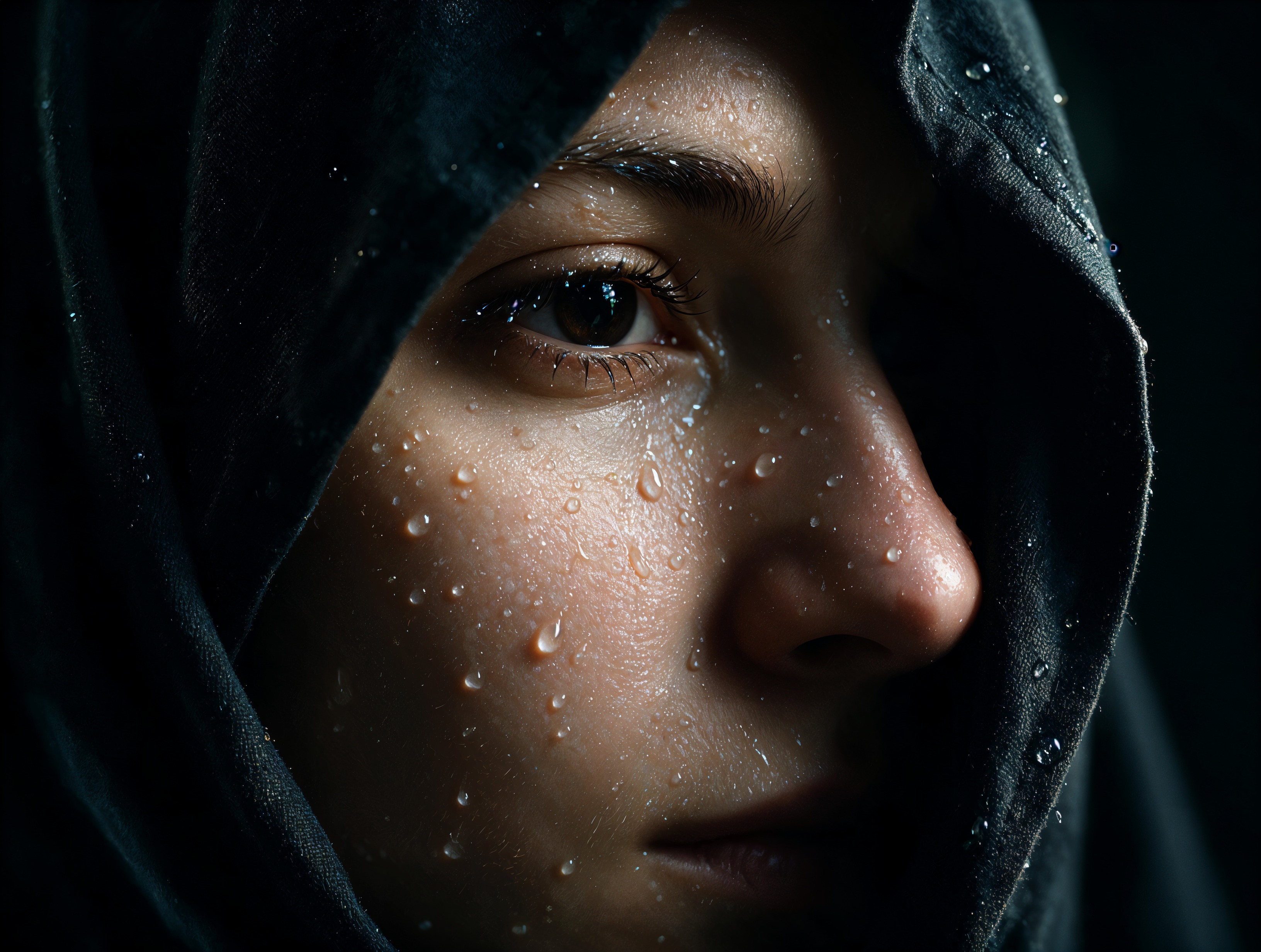
A classic sharpening filter increases contrast along edges that already exist — push it too far and you get halos and grain. An AI upscaler works from a model trained on millions of image pairs, so it can infer what the missing detail should look like — skin texture, hair strands, fabric weave — and rebuild the photo at a higher resolution. It works remarkably well on faces and moderate blur. The honest limit: it reconstructs plausible detail, it cannot recover information that was never captured, so a hopelessly blurred license plate stays illegible.
How to unblur an image with Hermosso
- Upload your photo on the AI Image Upscaler — or pick one from your gallery if you already have an account.
- Choose a mode. 4K (50 credits) is a faithful 4× upscale with face enhancement — the right default for soft or slightly blurry shots. 4K Ultra (100 credits) is restoration-grade, for heavily compressed or damaged images, and takes a little longer. Creative (50 credits) re-imagines detail with an artistic touch for stylized looks.
- Generate and compare. The upscaled photo lands in your gallery at up to 22K. New accounts get 400 free credits, so your first unblurs are free.
Free methods, and their limits
Built-in tools — your phone editor's sharpen slider, free desktop editors — are worth a try for mild softness and cost nothing. Just know their ceiling: they reshuffle existing pixels rather than rebuilding detail, and over-sharpening makes photos look crunchy. Messaging apps are another quiet culprit: always share the original file rather than a re-compressed copy when quality matters. When you need genuine reconstruction — a face worth saving, an image that needs to print — that's where an AI upscaler earns its (free trial) credits.
The photos people rescue most
The most common saves are everyday ones: a slightly soft portrait that would otherwise be perfect for LinkedIn, a photo of the kids or the dog taken in a hurry, a screenshot of a document or whiteboard that needs to be legible, and small images — old avatars, forum-era photos, pictures saved from social media — that need to look good at modern screen sizes. For anything headed to print, the 4K output matters as much as the unblurring: a sharp 600-pixel-wide photo is still 600 pixels wide, while an upscaled one can survive a large print. And if resolution itself is the goal — screens, large prints or heavy cropping — our guide to enhancing a photo to 4K, 8K or 22K walks through picking the right tier.
Tips for the best result
- Start from the highest-quality version you have. The original file beats a screenshot of it every time.
- Try the faithful 4K mode first. Step up to Ultra only if the first pass leaves softness behind.
- For genuinely old or damaged prints — scratches, fading, black-and-white — use the dedicated photo restoration tool instead; it's built for that job.
- Don't stack passes. Upscaling an already-upscaled image adds artifacts rather than detail.
Try it on your own photos
Upload a few selfies, and Hermosso trains a private AI model of you — then generates studio-quality photos in any style. Your first credits are free.
Create your AI photos →Frequently asked questions
Can you really unblur a blurry photo?
To a point, yes. AI upscalers reconstruct plausible detail — especially faces — and can turn a soft, low-resolution photo into a sharp 4K image. They can't recover detail that was never captured, so extremely blurred areas stay approximate.
How can I unblur an image for free?
Built-in sharpen tools help with mild blur. For real reconstruction, Hermosso gives new accounts 400 free credits, and unblurring a photo costs 50 credits in the standard 4K mode — so you can fix several photos free.
What's the difference between sharpening and AI unblurring?
Sharpening boosts contrast on existing edges and quickly adds noise and halos. AI unblurring uses a model trained on millions of images to infer and rebuild missing detail at a higher resolution.
Can I unblur and upscale to 4K at the same time?
Yes — that's exactly what Hermosso's upscaler does. The 4K mode applies a faithful 4× upscale with face enhancement in one run, and 4K Ultra handles heavily compressed or damaged shots.