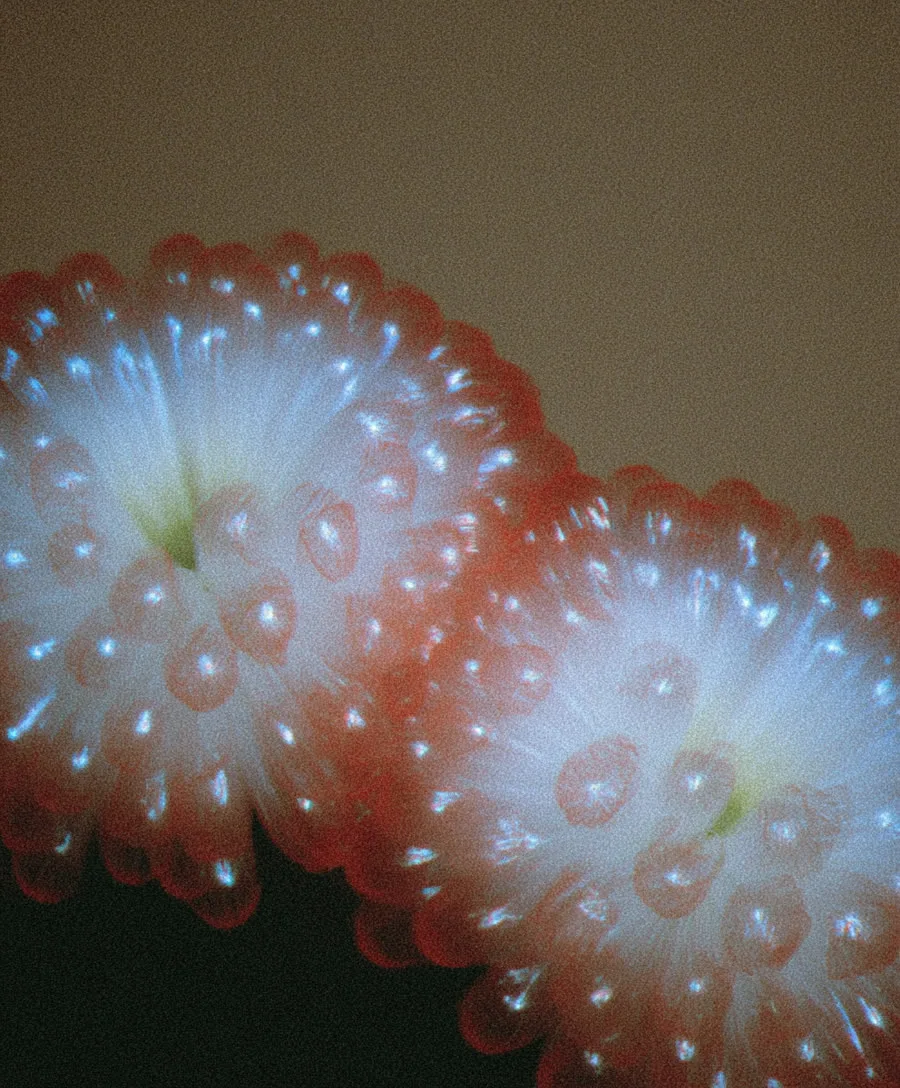
Slow Push-In AI Video Effect
The slow push-in is the most-used move in cinema precisely because you barely notice it: the frame creeps toward the subject and tension rises for no visible reason. Interviews, monologues, horror beats and luxury product films all run on it.
It's also the safest AI camera move — small distance, slow speed, minimal synthesis. Almost any photo takes it well. The prompt's job is just pace: 'slow', 'gradual', 'imperceptible creep' — and what the move lands on.
See it in action — and steal the prompt
Feed any photo to photo to video with a prompt like this and the engine does the rest:
Slow push-in: the camera creeps almost imperceptibly toward the subject's face, gradual tension building, cinematic and quiet, shallow depth of field deepens
How to get this camera move
- Start from a photo — the engine reads depth from the scene; clear subjects and layered backgrounds move best.
- Name the move explicitly — camera language ("dolly in", "orbit", "whip pan") is the strongest steering signal you have.
- Add the pace — "slow", "fast", "whip" or "snap" controls the rhythm more than any setting.
- Keep it to one move — one clean camera instruction per clip beats three stacked ones.
The tools for it
- Photo to video — Upload any still and apply the move with the prompt above.
- Text to video — Describe the scene and the camera move from scratch.
- Video upscaler — Take the finished clip to 1080p for posting.
Try this camera move on your own photo
Upload a still, paste the prompt, and get a moving clip in about a minute. New accounts get 750 free credits — enough for several takes.
Animate a photoFrequently asked questions
Why is the push-in so common?
Because it's invisible direction — the audience's attention tightens without knowing why. It's the default move for drama, interviews and product beauty shots.
How slow is slow?
For a 5-second clip, a push that travels just 10–20% closer reads as 'cinematic creep'. Anything faster starts becoming a zoom.
What pairs well with a push-in?
A rack focus or a light shift near the end of the move — 'the background softens as we arrive' gives the landing a second beat.