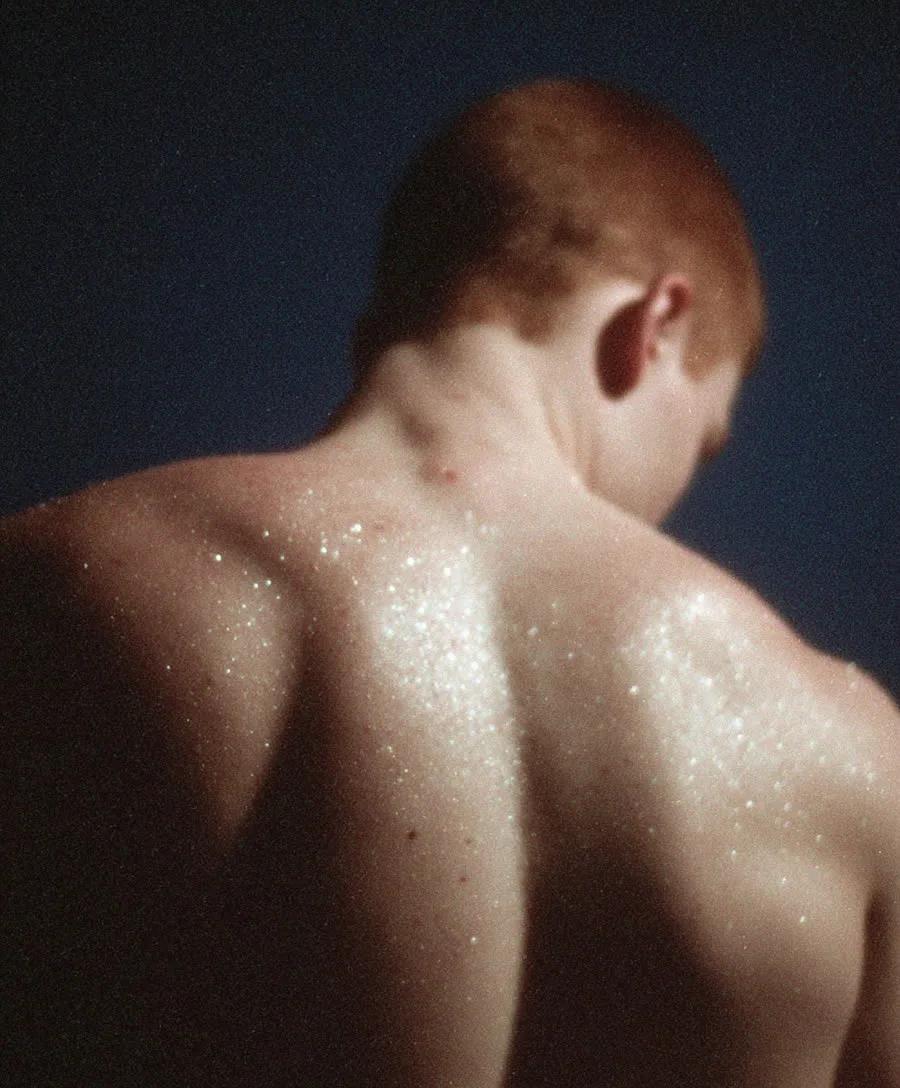
Crane Reveal AI Video Effect
The crane reveal is cinema's deep breath: the camera starts low and tight, then rises and the whole scene unfolds. Real estate films, travel ads and title sequences lean on it because rising feels like discovery. Normally it needs a jib arm or a drone; from a photo, the engine rises for you.
Ground-level shots with a big subject behind a foreground element are ideal — the rise converts occlusion into drama. Landscapes, storefronts, houses and stages all reveal beautifully.
See it in action — and steal the prompt
Feed any photo to photo to video with a prompt like this and the engine does the rest:
Crane reveal shot: the camera starts low behind the foreground and rises smoothly upward, gradually unveiling the full scene, majestic cinematic movement, slow and steady
How to get this camera move
- Start from a photo — the engine reads depth from the scene; clear subjects and layered backgrounds move best.
- Name the move explicitly — camera language ("dolly in", "orbit", "whip pan") is the strongest steering signal you have.
- Add the pace — "slow", "fast", "whip" or "snap" controls the rhythm more than any setting.
- Keep it to one move — one clean camera instruction per clip beats three stacked ones.
The tools for it
- Photo to video — Upload any still and apply the move with the prompt above.
- Text to video — Describe the scene and the camera move from scratch.
- Video upscaler — Take the finished clip to 1080p for posting.
Try this camera move on your own photo
Upload a still, paste the prompt, and get a moving clip in about a minute. New accounts get 750 free credits — enough for several takes.
Animate a photoFrequently asked questions
What is a crane reveal?
A shot where the camera rises (on a crane or jib) from a tight or occluded start to unveil the full scene — the classic 'discovery' move in film and advertising.
What photos work for a reveal?
Shots with foreground occlusion — grass, a wall, a crowd — in front of a bigger subject. The rise needs something to reveal from behind.
Can it descend instead?
Yes — a reverse crane ('the camera descends from above, settling on the subject') works equally well and reads as arrival rather than discovery.