The '80s Photo Trend: How to Make Them With AI
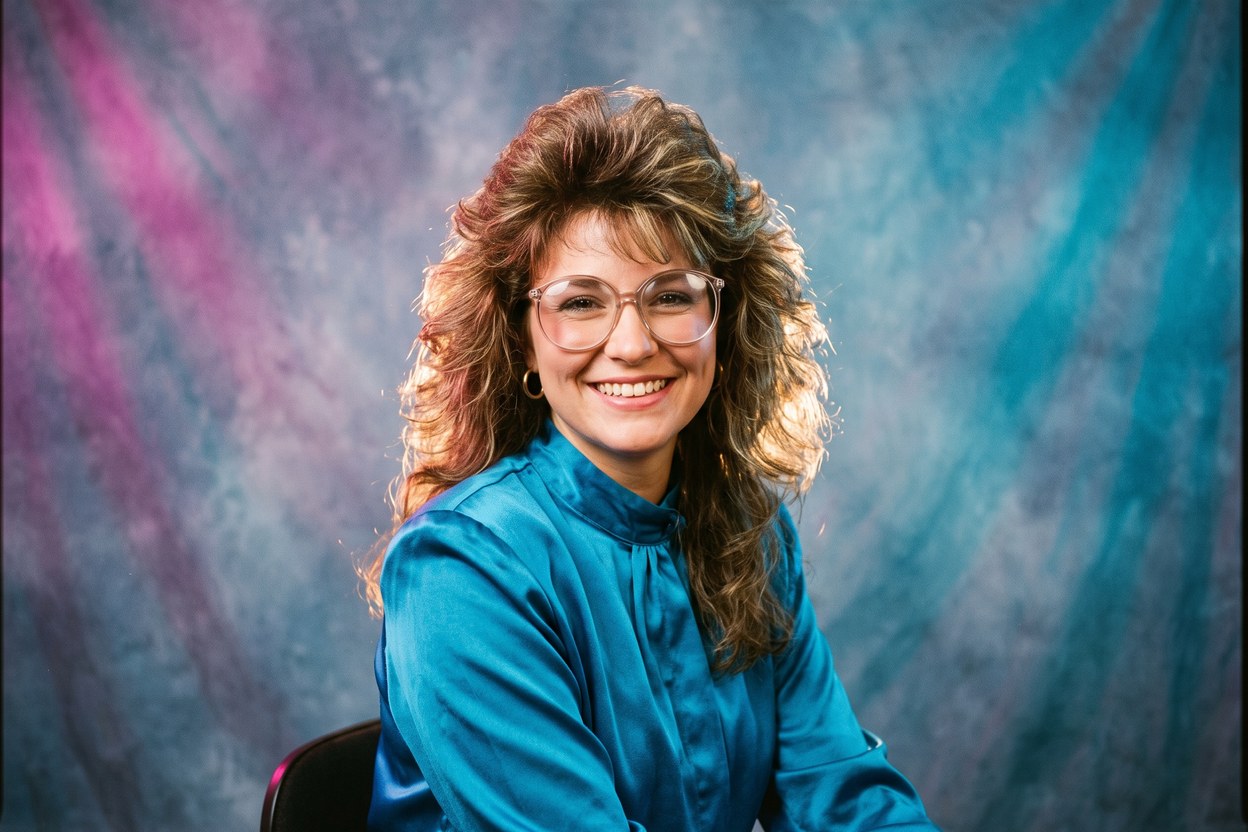
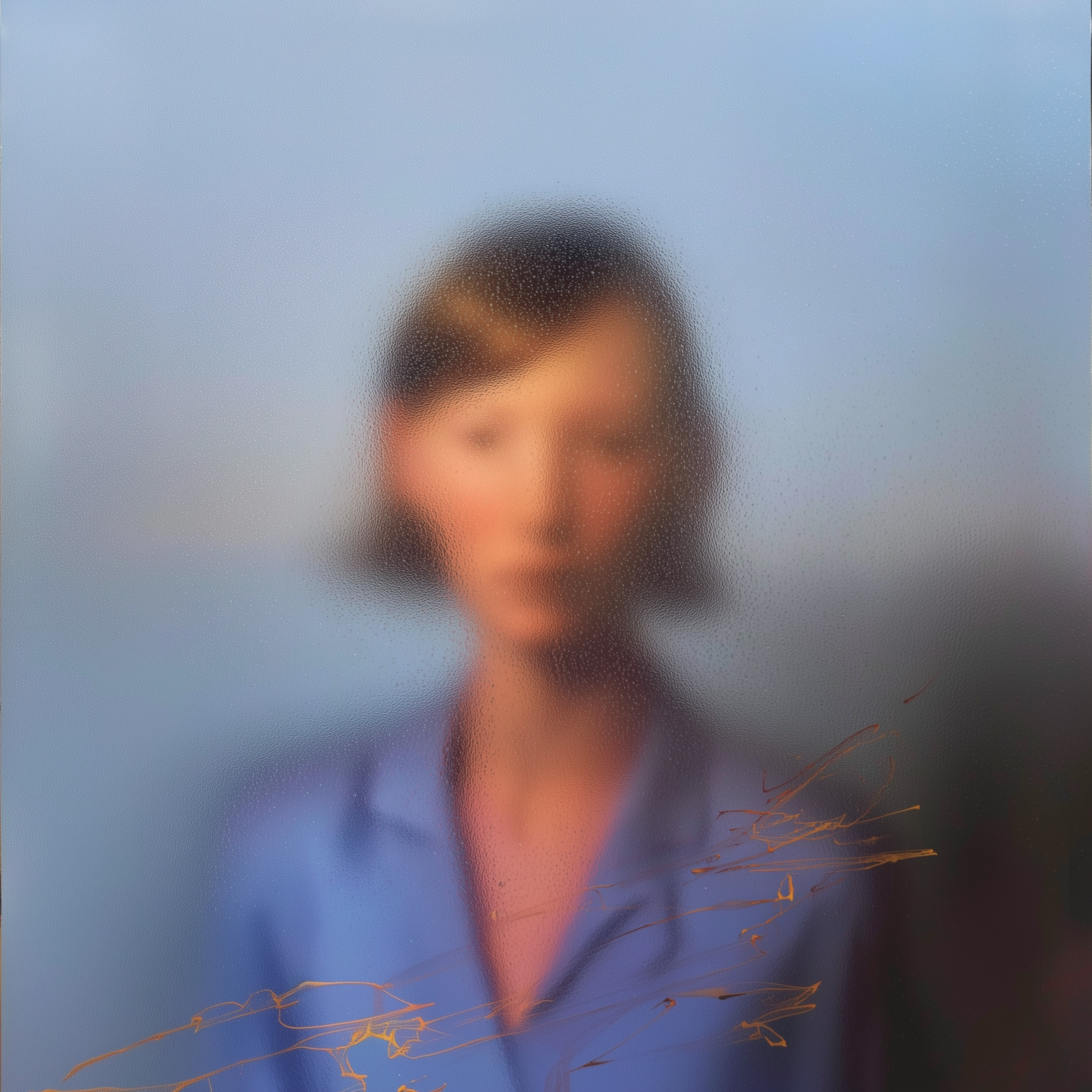
The throwback portrait is back, and this time it is the 1980s: big hair, satin and shoulder pads, coloured gel lighting, a soft halo around every highlight, and grain you can see from across the room. It took over Stories and Reels in September 2026 and it is still climbing.
It also has an unusually high failure rate. Most attempts come back looking like a modern portrait wearing an eighties costume — and the reason is consistent enough to fix.
The look, broken into parts
The decade's portrait style was a product of specific equipment and specific fashion. Name those, rather than naming the decade:
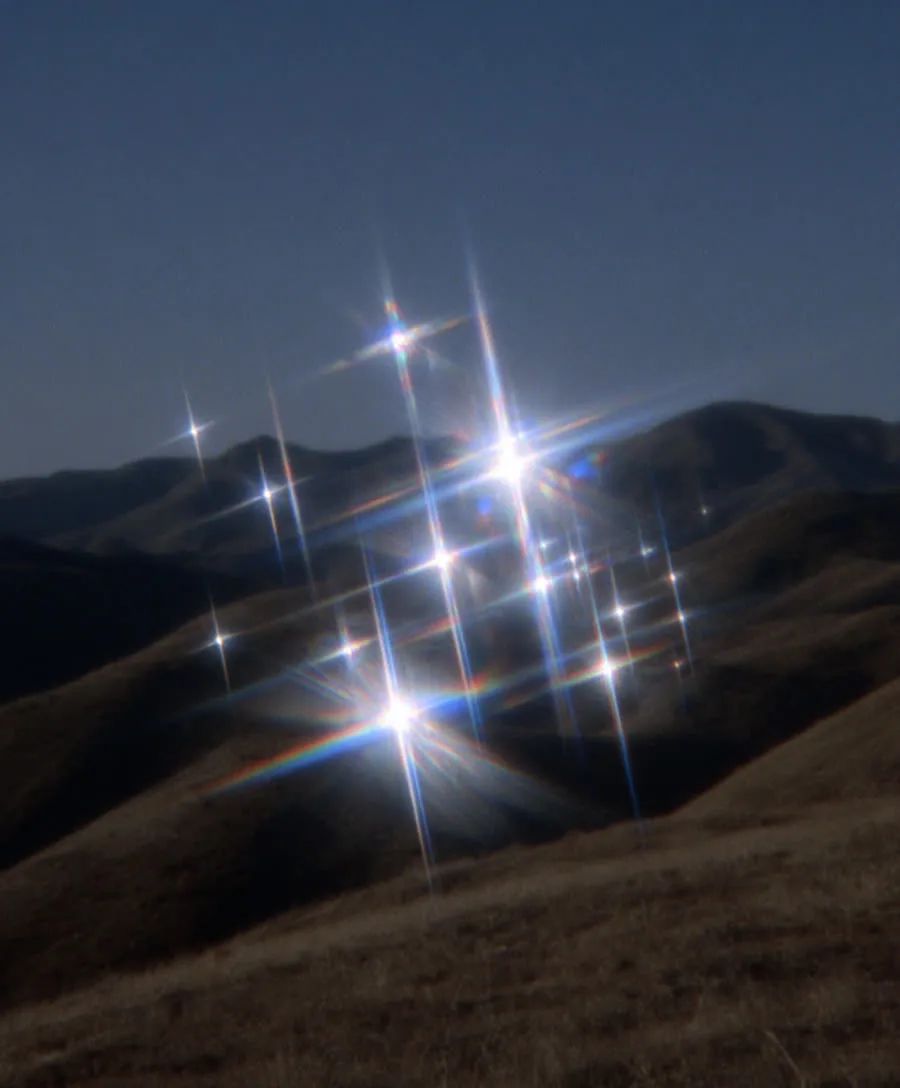
- The lighting. Hard key light with coloured gels — magenta and cyan are the signature pair — plus a rim light behind the hair. Often a starburst filter, which turns every highlight into a small cross.
- The background. Mottled studio canvas in grey-blue or mauve, or a laser-grid backdrop, or plain black with a gradient wash.
- The film. Visible grain, slightly blown highlights, warm cast, gentle halation glowing around bright edges.
- The hair and wardrobe. Volume above all. Perms, feathered fringes, teased height. Satin blouses, shoulder pads, chunky gold, oversized frames.
- The lens. Soft focus. Mall-studio portraits were often shot with a diffusion filter, which is why skin looks glowing rather than detailed.
The prompt
A reliable starting point, which you should then edit rather than replace:
"1985 studio portrait photograph, magenta and cyan gel lighting with a rim light behind the hair, mottled blue-grey canvas backdrop, soft-focus diffusion filter, visible film grain, warm colour cast, halation around highlights, big feathered hair, satin blouse with shoulder pads, shot on 35mm"
Then adjust one thing at a time — the gel colours, the backdrop, the amount of grain. If you change the whole prompt between runs you learn nothing from either.
Why most AI versions miss
Because they are too well made. Image models are trained to produce clean, sharp, well-exposed, symmetrical faces, and every one of those instincts is wrong here. The decade's portraits were soft, slightly overexposed, grainy and a little garish.
So ask for the flaws explicitly. "Soft focus", "visible grain", "blown highlights", "slight colour fringing" are instructions, not accidents. The same principle drives the wider anti-polish shift we wrote about in the 2016 nostalgia piece: one or two imperfections read as authentic, five read as a filter.
The other common miss is the teeth and skin. Perfectly even modern teeth and poreless skin break the illusion faster than any wardrobe mistake. Asking for "natural skin texture" helps more than people expect.
Doing it with your own face
For a single image, upload a photo to Recreate with the prompt above and let it rebuild the scene around your likeness.
For a set — a yearbook page, a fake band photo, the whole family in 1987 — train an AI Persona on 10–20 selfies first, so the face stays yours across every frame. Without that, a series of eighties portraits will quietly become a series of different people.
Working from an actual old photograph instead? Old Photo Restoration will repair the scratches and fading first, which gives the generation something clean to work from.
Which year are you actually aiming at?
"The eighties" covers two fairly different looks, and mixing them is the second most common reason a result feels off.
- Early eighties (1980–84) leans warmer and softer: feathered hair with a centre parting, earth tones, brown and rust, a plain graduated backdrop, lighting closer to seventies portraiture. If you are going for a family portrait or a school photo, this is usually the one you actually picture.
- Late eighties (1985–89) is the loud one: bigger permed volume, neon and jewel tones, shoulder pads with real structure, coloured gels pushed hard, laser-grid backdrops and starburst filters. This is the glamour-shot register.
Name the years in the prompt — "1983" rather than "1980s" — and you will get a much more coherent image than the averaged-out version the model produces from the decade as a whole.
Getting the hair right
Hair is where these images are won or lost, because it is the single most period-specific thing in the frame and models default to a modern blow-dry.
Describe the construction, not the era: "tightly permed with volume above the crown", "feathered and flicked back at the sides", "teased height at the roots, hairsprayed and holding its shape". A fringe matters too — the curled, lifted fringe is one of the most recognisable shapes of the period and almost never appears unless you ask for it.
If it keeps coming back too flat, add a lighting cue rather than more hair adjectives: a rim light behind the head separates the silhouette and makes the volume read. Hair with no backlight tends to merge into the backdrop and looks smaller than it is.
Group shots: yearbook, band, family
The single portrait is the entry point, but the formats that travel furthest are the group ones — and each has its own rules.
- The yearbook grid. Six to nine portraits, identical lighting and backdrop, wardrobe varying per person. The discipline is consistency: same gel colours, same crop, same distance. Generate them as a set from one persona rather than one at a time, or the lighting drifts between frames and the grid stops reading as one shoot.
- The band photo. Three to five people against a laser grid or a black ground, nobody looking directly at the lens, deliberately awkward spacing. Ask for "stiff posed group, uneven spacing, everyone looking slightly past the camera" — the awkwardness is the joke, and a model left to itself will arrange everyone into a tidy modern group.
- The family portrait. Matching knitwear, a mottled blue backdrop, a soft vignette. Early-eighties settings suit this better than late.
For any of these, a trained persona per person is what keeps faces stable. Prompting alone across nine frames produces nine cousins.
Taking it further
- The yearbook grid. Six to nine portraits in a grid, same lighting, same backdrop, different wardrobe.
- The band photo. A group against a laser grid, everyone looking slightly past the camera.
- The glamour shot. Soft focus pushed further, a feather boa, a starburst filter on every highlight.
- Make it move. Photo to Video with a slow zoom gives you the VHS-era opening title feel. Add grain in the edit rather than asking the video model for it — motion plus heavy grain usually turns to mush.
Try it on your own photos
Upload a few selfies, and Hermosso trains a private AI model of you — then generates studio-quality photos in any style. Your first credits are free.
Create your AI photos →Made with Hermosso
Frequently asked questions
What is the '80s photo trend?
A viral throwback format that spread across Instagram in September 2026: portraits styled like 1980s mall-studio photography — big feathered hair, satin and shoulder pads, magenta and cyan gel lighting, soft focus and heavy film grain, usually generated with AI from a modern photo.
What prompt makes an authentic 1980s portrait?
Describe the equipment rather than the decade: gel lighting in magenta and cyan with a hair rim light, a mottled canvas backdrop, a soft-focus diffusion filter, visible 35mm grain, warm cast and halation around highlights — then the hair and wardrobe.
Why do my 80s AI photos look too modern?
Because image models default to clean, sharp, evenly lit faces, and the eighties look depends on the opposite. Ask explicitly for soft focus, visible grain, blown highlights and natural skin texture — perfectly even teeth and poreless skin break the illusion faster than any wardrobe mistake.
How do I keep my face consistent across a set of 80s photos?
Train an AI Persona on 10–20 selfies before you start. Prompting alone will not hold a likeness across multiple images, so a yearbook grid or a fake band photo generated without one will quietly become a series of different people.
Can I turn an 80s portrait into a video?
Yes — run it through Photo to Video with a slow zoom for a VHS-era title feel. Add the grain during editing rather than asking the video model for it, because heavy grain combined with motion tends to turn to mush.