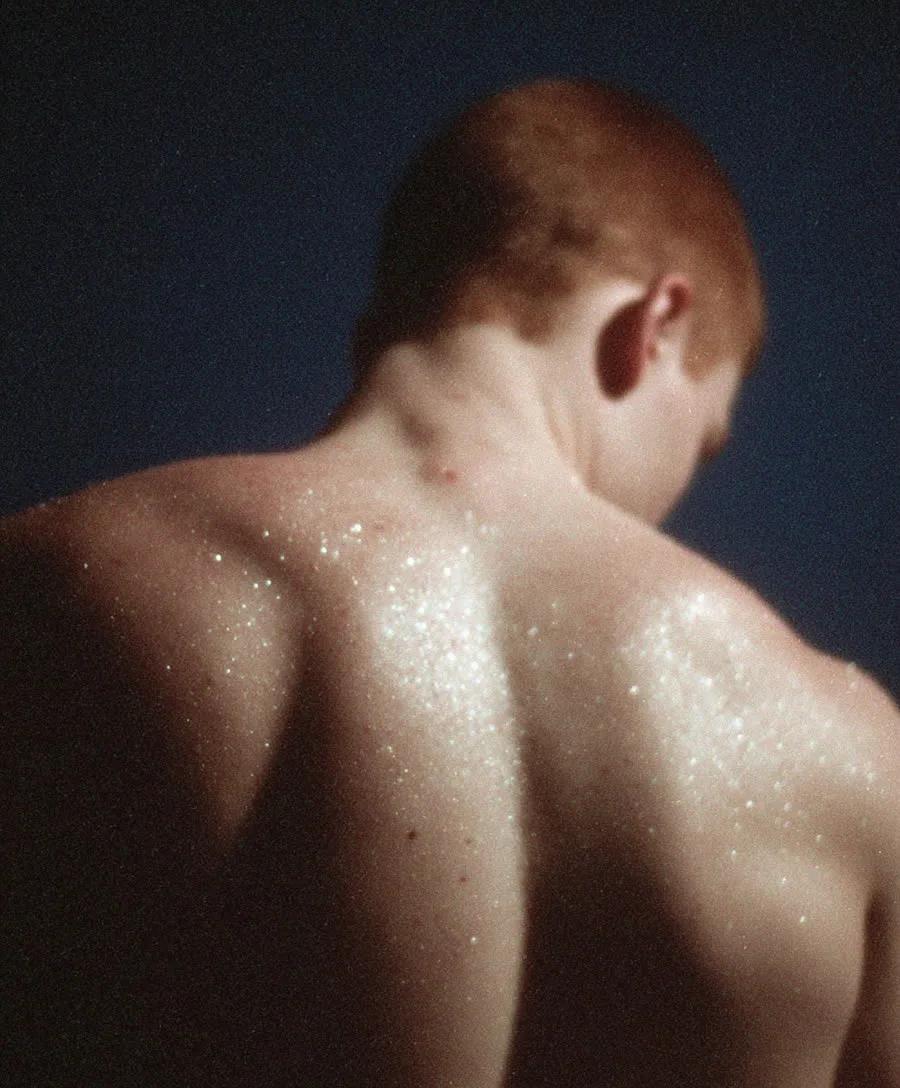
Orbit Shot AI Video Effect
The orbit is the signature "expensive" move: the camera swings around the subject in a smooth arc while they hold center frame. It screams production value because it normally needs a curved dolly track or a drone. From one photo, AI synthesizes the parallax — background sliding behind the subject — that sells the rotation.
Half-orbits (90–180 degrees) hold up best; full 360 spins ask the engine to invent the back of the scene. Subjects shot from the front with space around them orbit cleanest.
See it in action — and steal the prompt
Feed any photo to photo to video with a prompt like this and the engine does the rest:
Smooth orbit shot: the camera circles around the subject in a slow steady arc, subject stays sharp and centered, parallax background movement, cinematic commercial style
How to get this camera move
- Start from a photo — the engine reads depth from the scene; clear subjects and layered backgrounds move best.
- Name the move explicitly — camera language ("dolly in", "orbit", "whip pan") is the strongest steering signal you have.
- Add the pace — "slow", "fast", "whip" or "snap" controls the rhythm more than any setting.
- Keep it to one move — one clean camera instruction per clip beats three stacked ones.
The tools for it
- Photo to video — Upload any still and apply the move with the prompt above.
- Text to video — Describe the scene and the camera move from scratch.
- Video upscaler — Take the finished clip to 1080p for posting.
Try this camera move on your own photo
Upload a still, paste the prompt, and get a moving clip in about a minute. New accounts get 750 free credits — enough for several takes.
Animate a photoFrequently asked questions
What is an orbit shot?
A camera move where the camera travels in an arc around the subject, which stays centered. The parallax between subject and background is what makes it feel three-dimensional.
Can AI do a full 360 orbit from one photo?
A partial orbit (90–180°) looks best. A full 360 requires inventing the unseen back of the scene, which can drift — for that, generate from several photos of the same subject instead.
How long are the clips?
Standard generations are 5 seconds — a clean quarter-orbit at commercial pace. Longer arcs can be chained by using the last frame as the next start frame.